Top Mistakes Homeowners Make When Designing Their Home
Designing your dream home is an exciting journey. From choosing colors and furniture to planning layouts and lighting, every decision shapes how your home looks and feels.
However, many homeowners make critical mistakes during this process—mistakes that can lead to wasted money, poor functionality, and long-term regret.
The good news? Most of these mistakes are completely avoidable.
In this guide, we’ll walk you through the most common interior design mistakes and how you can avoid them to create a home that is both beautiful and practical.
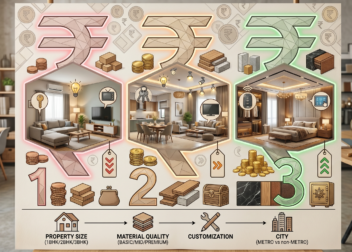
1. Not Setting a Clear Budget
One of the biggest mistakes homeowners make is starting a project without a defined budget.
Without financial clarity, it’s easy to:
- Overspend on unnecessary elements
- Run out of funds mid-project
- Compromise on essential features
How to avoid it:
Set a realistic budget before you begin. Break it down into categories such as:
- Furniture
- Materials
- Labor
- Decor
Also, keep a 10–15% buffer for unexpected expenses.
2. Prioritizing Looks Over Functionality
A home that looks stunning but doesn’t function well quickly becomes frustrating.
Examples include:
- Poor kitchen layouts
- Insufficient storage
- Furniture that blocks movement
How to avoid it:
Always ask yourself: “Will this work for my daily life?”
Good design balances:
- Aesthetics
- Comfort
- Usability
3. Ignoring Space Planning
Many homeowners underestimate the importance of proper space planning.
This leads to:
- Crowded rooms
- Awkward layouts
- Wasted space
How to avoid it:
Plan your layout before buying anything.
Consider:
- Walking space
- Furniture placement
- Room flow
Working with a professional can make a huge difference here.
4. Choosing Trends Over Timeless Design
Trends come and go—but your home should last for years.
Following trends blindly can result in:
- Outdated interiors quickly
- Frequent redesign costs
- Lack of personal identity
How to avoid it:
Use trends sparingly in:
- Decor
- Accessories
- Accent walls
Keep your base design timeless and neutral.
5. Poor Lighting Planning
Lighting is often overlooked, yet it has a massive impact on your home’s atmosphere.
Common mistakes:
- Relying only on one light source
- Ignoring natural light
- Poor placement of fixtures
How to avoid it:
Use a combination of:
- Ambient lighting (general light)
- Task lighting (focused light)
- Accent lighting (decorative)
Good lighting enhances both design and functionality.
6. Not Investing in Storage
A beautiful home can quickly turn messy without proper storage.
Many homeowners:
- Underestimate storage needs
- Skip built-in solutions
- Focus only on visible design
How to avoid it:
Plan storage from the beginning.
Smart storage ideas:
- Built-in wardrobes
- Hidden cabinets
- Multi-functional furniture
7. Buying Everything at Once
It’s tempting to furnish your entire home quickly—but this often leads to poor decisions.
You may end up with:
- Mismatched styles
- Low-quality furniture
- Regret purchases
How to avoid it:
Take your time.
Start with:
- Essential furniture
- Key functional areas
Then gradually add decor and accents.
8. Ignoring Material Quality
Choosing cheaper materials might save money initially—but it can cost more in the long run.
Low-quality materials:
- Wear out quickly
- Require frequent repairs
- Reduce overall aesthetics
How to avoid it:
Invest in quality where it matters:
- Kitchen
- Wardrobes
- Flooring
Balance budget and durability wisely.
9. Not Hiring the Right Professionals
Some homeowners try to manage everything themselves—or choose designers without proper research.
This can lead to:
- Poor execution
- Delays
- Budget overruns
How to avoid it:
Choose professionals carefully:
- Check portfolios
- Compare multiple options
- Look for transparent pricing
Working with the right interior designer ensures smoother execution and better results.
10. Lack of Personalization
A home should reflect your personality—not look like a catalog.
Many homes feel:
- Generic
- Overly styled
- Lacking warmth
How to avoid it:
Add personal touches:
- Family photos
- Custom decor
- Unique design elements
Your home should tell your story.
11. Overdesigning the Space
More design doesn’t always mean better design.
Overdesigning can make your home:
- Cluttered
- Overwhelming
- Difficult to maintain
How to avoid it:
Follow the principle: “Less is more.”
Focus on:
- Clean layouts
- Minimal clutter
- Thoughtful design choices
12. Not Planning for the Future
Many homeowners design for the present without considering future needs.
This becomes a problem when:
- Family size changes
- Work-from-home needs arise
- Lifestyle evolves
How to avoid it:
Think long-term:
- Flexible spaces
- Multi-purpose rooms
- Scalable storage
13. Ignoring Ventilation and Natural Light
A home that lacks fresh air and natural light feels dull and uncomfortable.
Common issues:
- Blocked windows
- Heavy curtains
- Poor ventilation
How to avoid it:
Maximize:
- Natural light
- Airflow
Use light fabrics and keep windows unobstructed.
14. Skipping Proper Measurements
Buying furniture without accurate measurements is a common mistake.
This leads to:
- Oversized furniture
- Underutilized spaces
- Layout issues
How to avoid it:
Measure everything:
- Room dimensions
- Doorways
- Furniture size
Always double-check before purchasing.
15. Not Comparing Options
Many homeowners finalize the first designer or idea they like.
This limits:
- Better pricing
- Creative options
- Quality choices
How to avoid it:
Always compare:
- Multiple designers
- Different styles
- Budget options
Platforms like OneRoofHunt make it easier by bringing designers, portfolios, and pricing into one place—helping you make informed decisions.